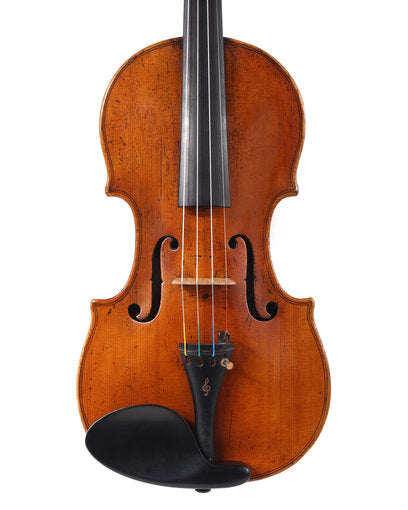

How to Choose a Violin Shoulder Rest: Complete Fitting Guide for Beginners and Professionals
If you’re searching for a practical, step-by-step answer to how to choose a violin shoulder rest, you’re in the right place. The correct shoulder rest can improve comfort, posture, shifting, and even tone by helping you hold the violin securely without excessive tension. This guide focuses on violin shoulder rest fitting for every level—from a violin shoulder rest for beginners to advanced players looking for a refined, stable setup.
Below you’ll learn what “good fit” actually means, how to follow a reliable shoulder rest size guide, and how to narrow down the best shoulder rest for violin based on your body type and playing needs.

Why a Shoulder Rest Matters (Comfort, Freedom, and Sound)
A shoulder rest’s main job is to fill the space between your collarbone/shoulder area and the back of the violin so you can support the instrument with balance—not clenching. When the violin feels secure, your left hand can stay relaxed for vibrato, shifting, and intonation.
- Comfort: Reduces pressure points on collarbone and shoulder.
- Stability: Helps the violin stay in position during bow changes and shifts.
- Mobility: Encourages a free left hand rather than gripping the neck.
- Consistency: A stable setup makes technique and tone more repeatable.
Start with Your Body: The 3 Fit Factors
Successful violin shoulder rest fitting depends more on your build than on brand. Before choosing a model, evaluate these three factors:
1) Neck length
If you have a longer neck, you may need more height. If you have a shorter neck, too much height can cause lifting the shoulder or tilting the head uncomfortably.
2) Shoulder slope (flat vs. sloped)
Sloped shoulders often do better with a rest that has more contour or adjustability. Flatter shoulders may prefer a simpler, lower profile rest.
3) Collarbone prominence and comfort needs
Some players need more padding or a wider contact area. Others prefer minimal material for maximum resonance and freedom.
What “Good Fit” Feels Like (The No-Clench Test)
When players ask for the best shoulder rest for violin, the most accurate answer is: the one that allows a secure hold without tension. Try this quick evaluation:
- Place the violin on your collarbone and shoulder with the shoulder rest attached.
- Turn your head gently so your jaw rests on the chinrest (no pressing).
- Let your left hand hover near first position without gripping the neck.
- See if the violin stays stable during a slow bow stroke and small head movements.
If you must clamp hard with your jaw or lift your shoulder to keep the violin up, the fit is off. Usually, you need a different height, different angle, or a model with better contour for your shoulder shape.
Shoulder Rest Size Guide: Matching Rest Size to Violin Size
A dependable shoulder rest size guide begins with your violin size. Most rests come in size ranges (e.g., 4/4, 3/4–4/4, 1/2, etc.). Choose a rest designed for your instrument so the feet land safely on the violin’s edges and the rest spans the back correctly.
- 4/4 (full size): Use a 4/4 rest (some models also fit 3/4–4/4).
- 3/4: Choose a 3/4 rest or an adjustable 3/4–4/4 model if recommended by the manufacturer.
- 1/2 and smaller: Use the correct fractional size to avoid poor contact and instability.
Safety note: Ensure the rest’s feet have good rubber, sit on the violin’s edge (not on the top plate), and don’t pinch too tightly.
Key Adjustments: Height, Width, Angle, and Placement
Once you’ve got the correct size, dialing in the adjustments is where great violin shoulder rest fitting happens.
Height
Adjust height so your head can rest naturally on the chinrest without reaching down or shrugging up. Start lower than you think and raise gradually—too much height often creates tension.
Angle and contour
Many rests allow you to angle one foot higher than the other. This can match your shoulder slope and help the violin sit level without forcing your posture.
Placement on the violin
Most players place the rest toward the lower bout, slightly to the left (from the player’s view), but placement varies. Move the rest a few millimeters at a time:
- More centered = often more stable but may feel restrictive.
- More to the left edge = can feel freer for some shoulders.
Choosing a Model Type: Which Shoulder Rest Style Fits Your Needs?
When deciding how to choose a violin shoulder rest, it helps to know what each style offers. Below are common categories and who they’re best for.
Highly adjustable rests (great for unique builds and detailed fitting)
If you want extensive shaping and fine-tuning, consider an option like the Bonmusica shoulder rest. Its design is popular with players who need extra stability, more customization, or a rest that can be formed to their shoulder shape.
Classic, lightweight, and easy to use (ideal for many players)
A straightforward, widely used choice is the Kun Collapsible. Many teachers recommend this style because it’s simple to fit, comfortable, portable, and consistent—often a strong option for a violin shoulder rest for beginners who want a reliable starting point.
Flexible and ergonomic (helpful for sloped shoulders or special comfort needs)
Players who want a rest that can adapt to shoulder angle and posture often like designs such as the Wolf Forte-Secondo. This category can be especially helpful if you struggle to balance the violin without tension using more rigid models.

Common Beginner Mistakes (and Quick Fixes)
Finding the best shoulder rest for violin is often about avoiding these frequent issues:
- Too high: If your shoulder creeps up or your neck feels compressed, lower the rest.
- Too low: If you clamp with your jaw to keep the violin stable, raise the rest slightly or consider a different chinrest (with teacher/shop help).
- Feet placed incorrectly: Make sure feet sit securely on the violin’s edge, not on the top plate.
- Over-tightening: Too tight can risk damage; snug is enough.
- Ignoring chinrest interaction: Shoulder rest and chinrest work as a system—if one is extreme, the other might be compensating.

Pro Tips: Getting a “Performance-Ready” Fit
Advanced players often refine their setup for consistency across long rehearsals and demanding repertoire. Use these checkpoints to level up your violin shoulder rest fitting:
- Shifting test: Shift slowly from 1st to 3rd and 5th positions—if the violin slides, adjust placement or contour.
- Vibrato test: If vibrato feels tight, you may be gripping due to instability—re-check height and balance.
- Bow lane test: Play open strings at frog/middle/tip. If your right arm feels forced, the violin angle may be off.
- Endurance test: Comfort should hold up after 20–30 minutes, not just 30 seconds.
- Shop Shoulder Rests and Related Essentials
Shop Shoulder Rests and Related Essentials
To explore options by size and style, browse the violin shoulder rests collection. If you’re upgrading your setup, you may also want to check matching violin accessories that support comfort and instrument care.
Final Checklist: How to Choose the Right Shoulder Rest
- Pick the correct size using a reliable shoulder rest size guide for your violin.
- Set height so your head rests naturally—no shrugging, no clamping.
- Match the contour/angle to your shoulder slope for stable balance.
- Confirm secure feet placement and gentle, safe tension.
- Test shifting and vibrato to ensure your left hand stays free.
Call to Action: Get Your Best Fit Today
Ready to find a setup that feels stable, comfortable, and natural? Shop the violin shoulder rests collection and choose a model that matches your body and playing goals—whether you’re starting out or refining a professional fit.