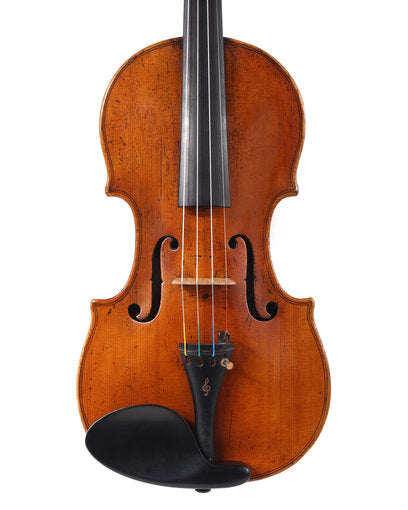

How to Choose Your First Violin: A Complete Buyer's Guide
Buying your first violin is one of the most exciting decisions a new musician makes. It can also be one of the most confusing. Walk into any music shop or browse an online store, and you will find hundreds of options spanning a wide range of prices, origins, materials, and bow types. Some look nearly identical but vary widely in price. Others seem like a deal but end up costing you more in setup and repairs than you saved.
The good news is that once you understand how the violin market actually works, the decision becomes much clearer. This guide covers everything a beginner or student musician needs to know before making a purchase, from how pricing really works to what to look for in a bow, and from which countries produce the best instruments for the money to when it makes sense to step up to a higher-quality instrument.
The First Thing to Understand: Violin Pricing Is Not What You Think
Most people assume that a more expensive violin simply sounds better. While there is truth to this at the higher end of the market, the relationship between price and quality is far more nuanced for student instruments. The price of a violin is not primarily determined by its sound quality. Sound quality, like the taste of food or a personal preference for colour or smell, is entirely subjective. Market value is instead determined by how much it costs to produce the instrument, and, if the violin is imported, by the exchange rate between the Canadian or US dollar and the currency of the country of origin.
This means that two violins priced identically can sound completely different. Two Suzuki violins can look identical on the shelf yet produce entirely different tones. A Chinese violin costing less than a German one may actually sound better. This is the area where beginners find it hardest to make a confident choice, and it is the main reason why buying from a specialist shop with staff who can play instruments for you is so important.
One more thing to understand about violin pricing: unlike cars, violins do not depreciate significantly when they are previously owned. Fine instruments actually tend to increase in value as their availability diminishes over time. Purchasing a quality student violin is not just a musical investment. It is a financial one as well.
What Is a Violin Outfit?
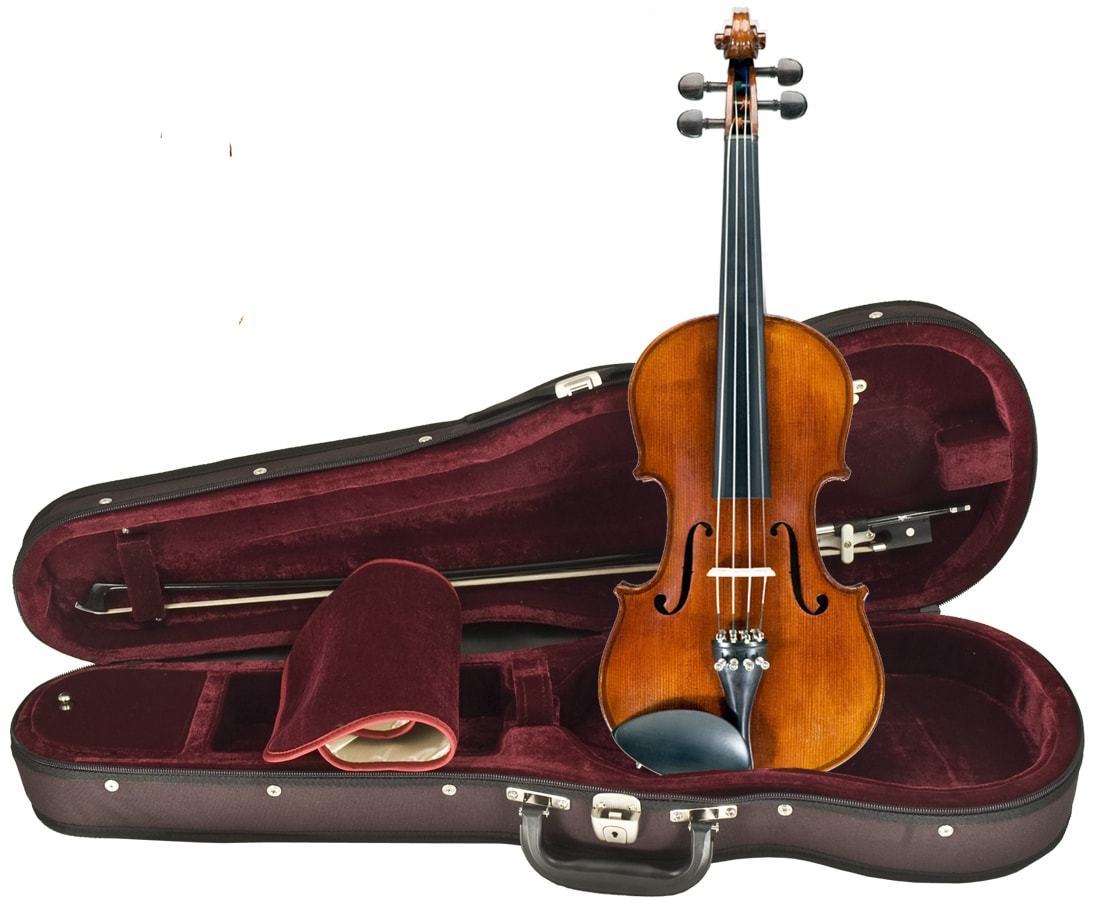
Most student violins are sold as outfits, which typically include three things: the violin itself, a bow, and a case. This is the starting point for most beginners, and the quality of each component matters. A poor bow can make even a good violin difficult to play, and a flimsy case offers little protection during transit.
Most students will also need a shoulder rest. The shoulder rest helps hold the instrument comfortably under the chin, and since everyone is built a little differently, it is important to try a shoulder rest before committing to one. Several styles are available, and what works well for one player may be uncomfortable for another.
When evaluating the total cost of getting started, factor in the shoulder rest, a rosin cake for the bow, and any initial setup work the instrument may need. Many lower-cost violins require adjustments before they play well.
A Guide to Violin Origins: What Country of Origin Tells You
German, Czech, and French Violins
Violins produced in Germany, Czech Republic, and France represent the upper end of the student price range. A complete outfit from this category typically costs between $1500-$3000. These instruments tend to be more individualistic in appearance than those from Asia, and many carry some age to them, which is considered a genuine asset rather than a drawback.
The more expensive outfits in this category come with a high quality wooden bow, which on its own can be worth $100 to $300. This is worth noting because the bow has a significant effect on playability and tone. A better bow on a modest instrument will often produce better results than a poor bow on a more expensive one.
Chinese Factory Violins
Chinese factory violins, such as those sold under the Thankful Strings, Moon River, or Century Strings label, are generally the best “bang for your buck”available.. While we can recommend these, and several other trusted workshops, without reservation, Chinese violins in general can vary widely in quality. The least expensive of them (such as those found on Amazon) will certainly require significant work to reach an acceptable playing level, including bridge fitting, peg adjustments, and sometimes fingerboard work. The cost of that setup work can quickly add up, meaning the total investment may approach or exceed what a better instrument would have cost.
That said, there are some genuinely beautiful hand-made violins produced by individual Chinese makers that occupy an entirely different class and price range from the factory instruments. Do not let the reputation of budget factory violins colour your view of what skilled Chinese luthiers are capable of producing.
Understanding the Bow: Why It Matters More Than Most Beginners Realize
The bow is responsible for a significant portion of the sound a violin produces. A stiff, poorly balanced bow makes it harder to control dynamics, articulation, and tone. Many entry-level outfits come with bows that are functional but limiting.
Pernambuco wood is considered the gold standard for bows, offering the ideal combination of strength, flexibility, and responsiveness. Brazilwood bows are a common mid-range alternative. Fibreglass bows are more durable and better suited to younger students who may be rougher with their equipment. Carbon fibre bows offer excellent performance at a lower price than quality wooden bows and are increasingly popular at the intermediate level.
If you are purchasing a student outfit and have any flexibility in your budget, spending a little more on the bow component is often one of the most effective upgrades you can make.
When You Are Ready to Move Up
Violins in the above-student category are usually made by a single individual maker rather than a factory. They offer a higher degree of craftsmanship, more refined tonal qualities, and greater responsiveness to the player. Instruments in this range typically cost between $3,000 and $6,000. A violin made by a skilled contemporary maker generally costs at least $8,000.
Instruments with collector's value, such as old Italian, French, or English violins, by well-known makers, cost considerably more. Bows also scale up significantly in price. Quality bows start at around $300 and can reach $3,500 or more for a bow by a well-known maker. Historical bows with collector's value will cost even more.
The Single Most Important Piece of Buying Advice
If you have a teacher, let your teacher advise you before you purchase anything. A teacher who knows your playing level, your goals, and your budget is the best guide you have. If you are choosing independently, go to a specialty shop that focuses on bowed string instruments, and ask to have a musician play the instrument for you. Hearing the instrument played by someone with a developed technique will tell you far more than playing it yourself at an early stage.
The difference between instruments at the same price point can be dramatic, and only your ears can tell you which one is right.
Pre-Purchase Checklist
-
Set a realistic total budget that includes the bow, case, shoulder rest, and rosin
-
Try instruments in person at a specialist shop whenever possible
-
Ask a musician or shop staff member to play the instrument for you before deciding
-
Check the bridge is standing straight and the pegs turn smoothly
-
Inspect the strings for fraying and the seams for any gaps
-
Ask about the shop's setup process and whether adjustments are included in the price
-
Consider resale value when comparing instruments at similar price points
Choosing your first violin does not have to be an overwhelming experience. With the right information and guidance from a specialist, you can find an instrument that sounds great, fits your budget, and grows with you as your playing develops. Take your time, ask questions, and trust your ears.