
Violin Bridge and Soundpost: What Every Player Needs to Know
Of all the components that affect how a violin sounds and plays, the bridge and soundpost are among the most critical, and also among the most misunderstood. Neither is glued to the instrument. Both can shift, fall, or wear out over time. And both have a profound influence on tone, volume, and playability that most players never fully appreciate until something goes wrong.
Understanding how these two components work, what can go wrong with them, and how to care for them is essential knowledge for any violin student or player. This guide walks you through everything you need to know, from basic function to maintenance habits to knowing when it is time to call a repairperson.
How the Bridge Works: The Sound Transmission System

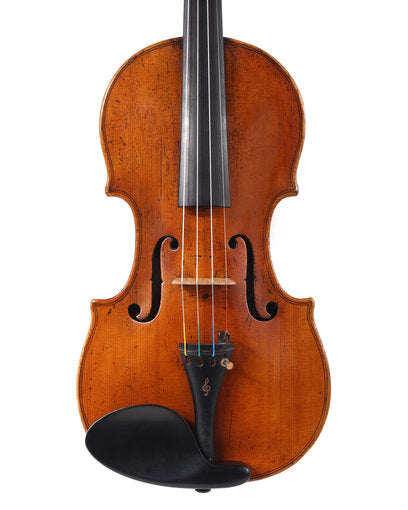
The bridge is the small, carved wooden piece that stands upright on the top of the violin, holding the strings at the correct height and spacing. Its job goes far beyond simply holding strings in place. When a bow is drawn across the strings, those vibrations travel from the strings downward through the bridge and into the top of the instrument. The bridge is the first link in a chain of resonance that ultimately produces the sound you hear.
Because the bridge is doing so much acoustic work, the quality of its fit matters enormously. A good bridge is hand-carved to fit each individual instrument. This is a genuinely time-consuming process, and almost every aspect of the fitting affects either the sound or the playability of the violin. The fit of the feet to the top of the instrument, the height and curve of the top edge, the thickness and weight of the wood, the spacing between strings, and the quality of the maple used all contribute to the final result.
There is also a type of bridge available with adjustable feet. These are less expensive to fit because they require less carving time, which makes them a practical choice for low-quality instruments. However, they do not belong on a fine violin because the adjustable feet cannot transmit sound waves with the same efficiency as a well-fitted fixed bridge.
How the Soundpost Works: The Hidden Voice of the Instrument
The soundpost is a small wooden dowel, typically made from spruce, that sits inside the instrument between the top and the back. You can see it if you look through the f-hole on the treble side of the instrument, positioned just behind and below the bridge foot. It is not glued to anything. It is held in place entirely by the tension of the strings pressing down through the bridge.
When the bridge transmits vibration to the top of the instrument, the soundpost picks up that vibration and passes it to the back. This is what sets the entire instrument resonating, not just the top plate. The soundpost is sometimes called the soul of the violin, and this is not an exaggeration. A small change in its position can dramatically alter the character and quality of the instrument's sound.
Fitting a soundpost correctly requires proper tools, significant skill, and an understanding of how each individual instrument responds. A soundpost that is too tight can distort the sound or even crack the instrument. One that is too loose will fall over easily. There is a specific ideal location for the soundpost on every violin, and a qualified repairperson can help you identify and achieve it.
The Single Most Important Bridge Maintenance Habit
The most critical thing a player can do to protect their bridge is check its angle every single time they tune. Here is why this matters so much.
Each time you tighten the strings to tune the instrument, the tension pulls the top of the bridge very slightly toward the fingerboard. Over time, this gradual pull causes the bridge to lean forward. If the bridge leans too far, it can snap down suddenly with considerable force onto the top of the violin. This can crack the top, damage the varnish, or break the bridge entirely.
The back of the bridge should stand at a 90-degree angle to the top of the instrument, or lean very slightly away from the fingerboard. If you are not sure whether your bridge is standing correctly, look at it from the side and compare the back edge to the tailpiece side of the top. If the bridge is leaning toward the fingerboard, gently ease it back toward its correct position by pushing the top of the bridge with your thumbs while holding the feet steady with your fingers. Do this carefully and in small increments.
Three More Essential Bridge Care Habits
Lubricate the String Notches
Every time you change a string, apply a small amount of graphite from a soft pencil to the string notch at the bridge and the corresponding notch at the nut. This reduces friction on the string, prevents the string from binding and snapping when you tune, and reduces wear on both the string and the bridge over time. This takes about thirty seconds and makes a noticeable difference in tuning stability.
Replace Fraying Strings Promptly
A fraying string is a hazard to your bridge. As the winding deteriorates, the rough edges can cut deeply into the wood of the bridge notch. A parchment or string protector placed under the thinnest strings at the bridge helps prevent this kind of damage. Do not wait until a string breaks before replacing it. If you can see fraying, it is already time.
Never Remove All Four Strings at Once
If you need to clean the instrument or do maintenance on the bridge, change strings one at a time. Removing all four strings simultaneously releases all the tension holding the bridge in place, and the bridge will fall. When the bridge falls, the tension on the soundpost is also released, and the soundpost can shift or fall as well. Repositioning a fallen soundpost requires a specialist and special tools. It is a problem that is easily avoided.
What to Do If the Bridge Falls or Breaks
If the bridge falls due to loosened strings or a sharp knock, do not attempt to reposition it yourself unless you are confident in the correct placement. An incorrectly placed bridge will affect intonation and tone across the entire instrument. Bring it to a repairperson who can fit it correctly.
If the bridge breaks, do not attempt to glue it back together. There is roughly forty pounds of downward pressure on the bridge of a violin under normal playing tension. A bridge that has been glued after breaking is structurally compromised and will break again under that pressure, potentially at a moment that causes damage to the instrument. A new bridge properly fitted by a specialist is always the right solution.
The Tailgut and the Bridge
One detail that is often overlooked is the relationship between the tailgut and the bridge. The narrow edge of the tailpiece should sit almost flush with the lower edge of the instrument. If the tailgut is too long, the silk string winding at the looser end of the string can extend slightly over the bridge, dulling the sound and pulling the bridge forward every time the instrument is tuned. This is a small detail that a repairperson can check and correct during any routine visit.
Signs You Need to See a Repairperson
-
The bridge has fallen, broken, or is visibly cracked
-
The bridge is leaning noticeably toward the fingerboard
-
The instrument sounds muffled, buzzy, or noticeably different than usual
-
You suspect the soundpost has shifted or fallen
-
Strings are cutting visibly into the bridge notches
-
The instrument has received a significant impact or has been dropped
-
You have not had the instrument professionally checked in more than a year
The bridge and soundpost are small components doing enormous work. Taking the time to check the bridge angle regularly, lubricate the string notches when you change strings, and bring your instrument in for a professional check-up at least once a year will go a long way toward keeping your violin sounding its best and protecting a meaningful investment.