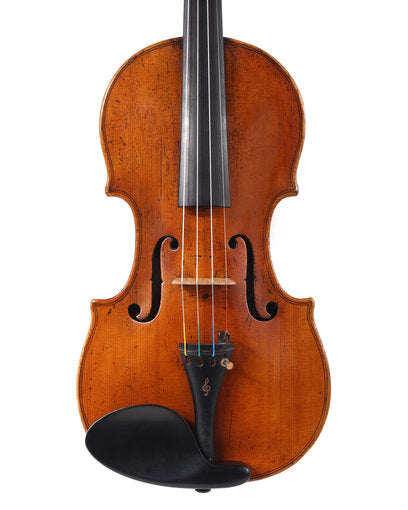

Why Is My Violin Buzzing? Common Causes and How to Fix Them
Share
Few things are more distracting during practice than an unexplained buzz coming from your violin. You stop playing, press on different parts of the instrument, move the mute, wiggle the chinrest, and the buzz continues. You take it to the repair shop and the technician plays it for five minutes without hearing anything. You bring it home and the buzz is back immediately.
Sound familiar? You are not alone. Tracking down the source of a violin buzz is genuinely one of the trickier diagnostic challenges in instrument maintenance. The buzz could be coming from the violin itself, from an accessory, from the strings, or from somewhere in your environment that has nothing to do with the instrument at all.
This guide covers all the most common causes of violin buzzes, organized from the simplest things to check yourself to the more serious issues that require professional attention. Work through them in order and you will almost certainly find the source.
Why Is This So Hard to Diagnose?
The challenge with violin buzzes is that instruments are complex resonating systems. A vibration in one part of the instrument can be transmitted and amplified in ways that make the source seem to be somewhere completely different from where it actually is. A loose chinrest, for example, can produce a buzz that seems to be coming from inside the instrument. A loose fine tuner can sound like a string problem.
Adding to the difficulty, some buzzes are position-dependent. They appear only on certain notes or at certain volumes, and they can vanish completely when the instrument changes temperature or humidity, which is why a buzz that is present at home may seem to disappear at the repair shop. The shop's environment is simply different enough that the buzz does not trigger.
The systematic approach below is the most reliable way to isolate the cause.
Start Here: Simple Fixes You Can Do Yourself
Before assuming there is a structural problem with the instrument, work through these common causes. Many of them can be resolved in a few minutes with no tools at all.
Chinrest Is Too Loose
A loose chinrest is one of the most frequently overlooked sources of a violin buzz, partly because it seems too obvious to be the culprit. The metal hardware of the chinrest can vibrate against the instrument's body when strings are played at certain pitches. Tighten the chinrest, preferably using a proper chinrest tool to avoid scratching the instrument. Do not overtighten, as excessive force can damage the ribs of the violin. Also check that the chinrest has cork or a soft pad on any surface making direct contact with the violin body.
Chinrest Is Touching the Tailpiece
Even a well-tightened chinrest can cause a buzz if it is making contact with the tailpiece. This contact point vibrates sympathetically when certain notes are played. Have a repairperson carve the chinrest so it clears the tailpiece entirely. In the meantime, a small piece of cardboard, leather, or cork placed between the two can stop the buzz temporarily.
Fine Tuners Are Rattling
Fine tuners have a locking nut that can work loose over time, especially with the constant vibration of regular playing. Tighten the lock nut snugly. You can also lubricate the shaft of the screw with peg lubricant, beeswax, or even a small amount of lip balm to help stabilize it and reduce vibration.
Loose String Windings or Floating Sleeves
Look closely at the strings between the bridge and the tailpiece. Many strings have a silk or metal winding that covers part of the string in this area, and these windings can work loose and vibrate against adjacent strings or against the tailpiece. Similarly, some strings have small plastic sleeves that sit between the bridge and the tailpiece, and if these slip out of position they will rattle. Run your fingers along this section of each string and check for anything that moves or feels loose.
Mute Is Buzzing When Not in Use
Many players leave their practice mute sitting on the strings between the bridge and the tailpiece so it is always at hand. This is convenient but the mute can vibrate at certain pitches and produce a noticeable buzz. Remove the mute entirely for a practice session and see whether the buzz disappears. If it does, try a different style of mute. Different materials and designs resonate differently, and switching mute styles often resolves the issue completely.
Tape on the Fingerboard
Many teachers place strips of tape on the fingerboard to mark first position finger placements for students. This is a standard and effective teaching tool, but the tape can lift slightly at the edges over time and buzz against the strings. Check the tape carefully and replace it if it is peeling. If you suspect the tape but are not sure, remove it temporarily for a practice session and see whether the buzz clears.
Loose Ornamentation on Pegs or Tailpiece
Some instruments, particularly older or more decorative ones, have small inlaid details or ornamental fittings on the pegs, tailpiece, or chinrest. These can come loose over time and vibrate. Run your finger over these areas and press gently on anything that might move. If something is loose, bring it to a repairperson for re-securing.
Buzzes That Require a Visit to a Repairperson
If working through the self-diagnosis list above has not resolved the problem, the buzz is most likely structural. The following causes require professional attention and should not be ignored or left unaddressed for long.
Open Seams
Violins are glued together with a special hide glue that is intentionally designed to release over time. This is by design: the seams are meant to come apart under stress rather than transmitting that stress to the more fragile plates of the instrument. When a seam opens, it vibrates against itself and produces a buzz. Open seams are generally an inexpensive repair, but they do need to be addressed promptly because an open seam can allow the wood to shift in ways that make the eventual repair more complicated. Gently press along the seams of the instrument with your fingertips. If any section gives or flexes, you have found an open seam.
Fingerboard Is Too Bumpy or Too Flat
The fingerboard needs to have a specific curve and surface quality for strings to vibrate cleanly above it. If the fingerboard surface has developed high spots or is not curved correctly, strings will buzz against it across one or more positions. This is not something that can be corrected at home. The fingerboard needs to be planed by a specialist, a process that restores the correct surface and allows strings to clear properly.
Ebony Nut Is Too Low or the Grooves Are Too Deep
The nut is the small strip of material at the top of the fingerboard that spaces and elevates the strings. If the nut is too low overall, or if the grooves have worn deeper than they should be, the strings will sit too close to the fingerboard and buzz against it, particularly on open strings and first position notes. The nut needs to be shimmed or replaced by a repairperson. The fingerboard can sometimes be planed to compensate as well. In a true emergency, placing a very thin piece of cardboard under the string at the nut can temporarily raise the string enough to stop the buzz until you get to a shop.
Bridge Is Too Low
A bridge that is the wrong height will cause strings to buzz against the fingerboard across a wider range of positions. This is not a repair situation, it requires a new bridge cut to the correct height for the instrument. Bring the instrument to a specialist.
Cracks in the Instrument
A crack in the top, back, or ribs of a violin can vibrate and buzz in ways that are very difficult to locate. Do not attempt to glue a crack yourself. Improper repair can cause the crack to spread or cause damage that makes professional repair more difficult and expensive. Take the instrument to a repairperson as soon as possible after discovering a crack.
F-Holes Clogged With Dirt
The f-holes, particularly at their narrowest points, can accumulate dust and rosin residue over time. If the buildup becomes significant, it can interfere with the acoustic function of the holes and produce buzzing or sound distortion. Cleaning the interior of a violin is a delicate procedure best left to a professional. Never insert anything into the f-holes yourself.
Loose Bass Bar
The bass bar is a wooden strip glued to the inside of the top of the instrument on the bass side, directly below where the low strings cross the bridge. It reinforces the top and contributes to the instrument's acoustic response. A loose bass bar is relatively uncommon but does occur, particularly in older instruments. It is a common fear among musicians but a rare actual occurrence. If you suspect a loose bass bar, bring the instrument to a specialist.
Do Not Overlook Your Practice Environment
One of the trickiest violin buzzes to track down is one that is not coming from the violin at all. A cellist once struggled for weeks with a mysterious buzz that disappeared every time she took her instrument to the repair shop. After several visits and a great deal of frustration, she realized that a window frame in her practice room was vibrating sympathetically when she played at certain pitches.
Objects in your practice room can resonate at specific frequencies and mimic the sound of an instrument buzz. Other instruments, music stands, loose items on shelves, a television on standby, pictures on walls, or even loose window glass can all produce sympathetic vibrations. If your instrument seems perfectly healthy but the buzz persists, take a careful look at your surroundings before your next visit to the shop.
Quick Reference: DIY Fix or Repairperson?
-
Loose chinrest, loose fine tuners, rattling mute: try fixing it yourself first
-
Tape peeling on fingerboard, floating string sleeves: fix it yourself
-
Open seams, low nut, low bridge, uneven fingerboard: visit a repairperson
-
Cracks in the instrument, loose bass bar: visit a repairperson immediately
-
Clogged f-holes: professional cleaning recommended
-
Buzz disappears at the shop: investigate your practice environment
A buzz on a violin is almost always solvable. The key is patience and a systematic approach, starting with the simplest possible explanations before assuming a structural problem. Work through the list, listen carefully, and do not hesitate to bring the instrument in when the cause is not obvious. A good repairperson has seen every variation of this problem and will often identify the source in minutes.